
https://www.youtube.com/watch?v=8KkKuTCFvzI
Kris notes 3.15.18
What keeps us healthy and happy as we go through life? If you were going to invest now in your future best self, where would you put your time, and energy?
A recent survey of millennials– asking them what their most important life goals were. Over 80% said that a major life goal of theirs was to be financially rich. Another 50% of that same 80% said that another major life goal was to become famous.(seriously? Keep the fame I just want the money! Jk………not really L) We’re constantly told to lean into work, to work harder, and achieve more. We’re given the impression that these are the things that we need to go after to live a good life.
Most of what we know from previous generations comes from asking people to remember the past. Hindsight is anything but 20-20. We forget vast amounts of what happens to us in life. Sometimes memories are down right creative. We can create our own memories.
But…. What if we could watch entire lives as they unfold through time? What if we could study people from the time that they were teenagers all the way into old age? To see what really keeps people happy and healthy. This study shows that! OH YEAH!!! THAT DATA SON!!
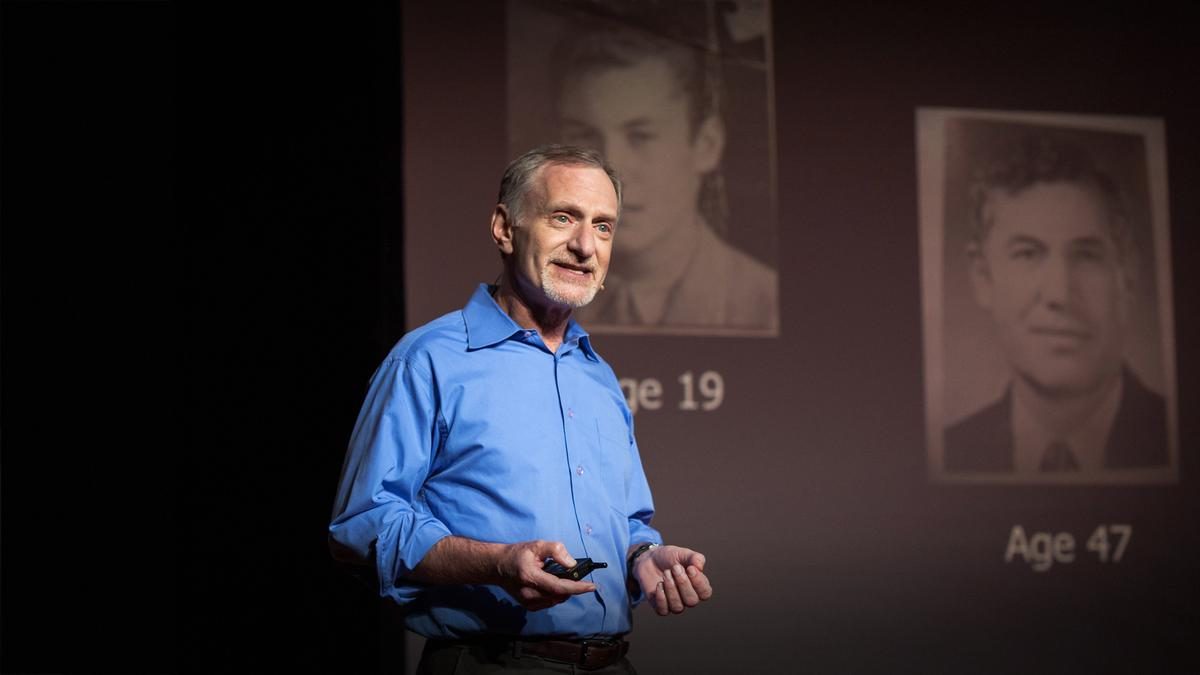
The Harvard Study Of Adult Development– May be the longest study of human life that’s every been done. For 75 years they tracked the lives of 724 MEN. Year after year asking about their work, relationships, home lives, health. Asking the whole way year after year without knowing how their lives were going to turn out.
Studies like this are exceedingly rare. Most projects of this kind typically fall apart within a decade. People drop out of the study, funding for the research dries up, researchers get distracted, or they die etc. However, this study has survived. About 60 of the 724 are still alive, and still participating In the study. Most of them are in there 90’s. They are now starting to study the more than 2,000 children of these men. WOW!!!!
Since 1938 they have tracked the lives of groups of two men. The first group- were all sophomores in Harvard college. They all finished college during world war 2. Then most went off to serve in the war. The second group of men were from Bostons poorest neighborhoods. Chosen for the study specifically due to their troubled and disadvantaged families in the 1930’s. Most lived without running cold and hot water.
When all of these teenagers entered the study they were all given interviews, medical exams, interviewed their parents. Then they all grew up and entered into all walks of life. They became factory workers, lawyers, brick layers, doctors, one president of the united states.(I wonder who?-has to be one of the Harvard men right? I think it was JFK) Some developed alcoholism, some schizophrenia. Some climbed the social latter all the way from the bottom to the top, some the other way around.
They get in contact with these men every 2 years. Most of the Boston men ask- “why do you want to continue studying me? My life is not that interesting”, the Harvard men never ask this lolololol. They do all interviews in living rooms, and get their medical records, they draw blood, scan their brains, talk to their children, video tape them talking to their wives about their deepest concerns.
About 10 years ago they FINALLY asked the wives of these men to join in the study and many of them said- “its about time!”-lolololol. 🙂
So what have they learned? What are the lessons that come, from the tens of thousands of pages of information they have generated over the decades?
The lessons are not about wealth, or fame, or working harder and harder.
The clearest message they received from this 75 year old study is: Good relationships keep us happier, and healthier, period.
Learned 3 big lessons about relationships:
- Social connections are really good for us, and loneliness kills.People who are more socially connected to family, friends, to community are happier, physically healthier and they live longer than people who are less well connected. The experience of loneliness turns out to be toxic. People who are more isolated find that they are less happy, health declines earlier in mid-life, their brain function goes earlier and they live shorter lives. More than 1 in 5 Americans report being lonely.
- It’s not the number of friends you have, and its not whether or not youre in a committed relationship, it’s the quality of your close relationships.Living in the midst of conflict is REALLY bad for our health. High conflict marriages without much affection turn out to be devastating to our health. Living in the midst of warm healthy relationships is protective. They tracked these men in the mid life, in their 50’s to see if they could predict who would live happier lives in their 80’s, and who wasn’t. It wasn’t their cholestoral levels that predicted how they were going to grow old, it was how satisfied they were in their relationships. Most happy with relationships at 50 turned out to be healthiest at age 80.
- Good relationships don’t just protect our bodies, they protect our brains. People who are in relationships in their 80’s, secure relationships, its protective. When they really feel they can count on the other person in times of need, these peoples memories stay sharper, longer. The opposite people experience memory decline faster.
This message that “good relationships will make you healthier and happier as you grow old”- has been said many times before, it has been known. Why is it to hard to understand, and so easy to ignore? Answer- we’re human. We just want quick fixes.
So say you’re 20, 45 or even 60. What does leaning into relationships look like?
Replacing screen time with people time, livening up a stale relationship by doing new things together, long walks or date nights, mending a broken relationship with a friend or family member, letting go of grudges. These feuds take a toll on the people who hold the grudges.
Mark Twain quote: He was looking back on his life more than a century ago. He wrote this:
“There isn’t time, so brief is life, for bickering’s, apologies, heart burning’s, callings to account. There is only time for loving, and but an instant, so to speak, for that.”
A good life is built with good relationships, period.
